almotamar.net - A scientific symposium on the Yemeni architecture recommended Wednesday the study of problems and challenges that face the architecture at the present age and present convenient treatments to the concerned parties for implementation.
The symposium demanded to demonstrate the dangers the Yemeni architectural heritage is exposed to and urges the official sides to take possible arrangements for preserving it against obliteration.
The symposium, concluded on Wednesday at the University of Aden, also recommended the study of the possibility of protecting the Yemeni cities from pollution with the styles that are alien to the multi Yemeni environment and to study the correct ways in the use of Yemeni styles and elements of the modern Yemeni architecture.
The participants in the symposium that reviewed around 2o studies on the Yemeni architecture presented by Yemeni and German researchers, called for enlightenment on the importance of preserving the traditional architectural heritage including preservation of old buildings and cities as cultural and historical values and national and human cultural heritage.
The participants also recommended establishment of database on the Yemeni traditional cities and their architectural characteristics and to document the historical landmarks and give them information prominence.
The symposium urged the taking care of the traditional building and to include it in curricula of architectural education at colleges of architecture at the Yemeni universities and preservation of urban empty areas inside the old cities such as squares and green areas. It also demanded the rehabilitation of some old buildings after renovating them in a manner in harmony with the surrounding environment and not to neglect the social planning that has become urgently needed while studying the architectural development of old cities centres.
Recommendations of the symposium stressed the necessity of issuing laws and legislations working on stopping the tampering with the historical buildings and contributing in defining a general stamp of buildings in one area and issuing law forcing a ban on using modern construction materials in areas characterized with traditional architectural style but according to criteria guaranteeing preservation of the historical nature of the city.
The participants in the symposium called for upgrading efficiency of engineers working in planning and municipalities and giving them training courses for modernizing and activation of their knowledge and to put an end to random building before its spread.
They have also recommended seeking help of the local cadre who are efficient and have experience in planning and designing as well as speeding the process of issuing a law on the practice of engineering profession.
The United Arab Emirates acknowledged on Tuesday that two of its pilots were killed when their military aggression plane crashed over Jawf province, a military official said
The official added that the aggressive crashed plane was an apache that was
Artillery of the army and popular shelled a gathering of Saudi-paid mercenaries in al-Moqadra area in Serwah district of Marib province, a military official said on Tuesday.
Meanwhile, dozens of Saudi-paid mercenaries were killed and others injured in Wadi al-Theek in the district, the official added.
The army and popular forces carried out on Monday unique military operations in Taiz province.
A military official said that a number of Saudi-paid mercenaries were killed at the hands of the army and popular forces in al-Jazami Hill in al-Kadaha area in al-Ma'afer district.
A Saudi aggression fighter jet targeted a citizen's car driving in Fara area of Kutaf district in Saada province overnight, killing the driver and injuring his friend, a security official said on Monday.
The army artillery and popular committees launched a fierce attack on Saudi-paid mercenaries' sites in Jawf province, a military official said on Monday.
The attack destroyed a military vehicle belonging to the mercenaries and killed all on board in Sabran area in khab and shaaf district.
Scores of Saudi enemy soldiers were killed and injured on Sunday when the army and popular forces repelled a Saudi military attempt to sneak into Shurfah site in the border province of Najran, a military official said.
The operation was accomplished successfully against the Saudi
The army and popular committees have killed a total of 18 Saudi-paid mercenaries in sniper operations over the past hours in the central province of Marib, a military official said on Sunday.
Ten mercenaries were killed in Nehm district and eight others were killed in Serwah district, said the official.
Saudi aggression warplanes have launched more than 49 airstrikes over the past hours on several residential areas across Yemen, a security official said on Sunday.
The airstrikes targeted the areas of Malahiz and Husama in Dhahir district, and areas Thuban, Masahif and Sdad in Bakim district of northern Saada province.


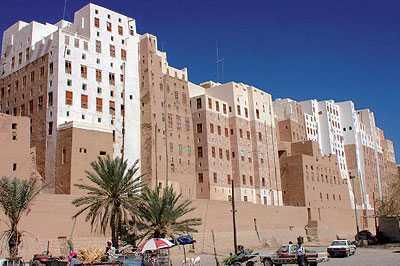
 Demands for legislations prevent tampering with historical buildings



