Almotamar.net - While the deadline for receiving application to nominations for governor elections in Yemen is the evening of Thursday, the number of applicants has until Wednesday evening reached 189 applications. Meanwhile, teams affiliate of civil society organisations have begun the process of observation of procedures progress after the supervising committees at the Ministry of Local Administration has given more than 42 observers from the organisations special cards for facilitating their work and that is in enhancement of the pursuit of transparency in the first elections of competitive elections of governors of provinces.
Committees supervising elections all over he governorates in Yemen have until Wednesday evening received 189 nomination applications for the posts of the capital mayor and governors of provinces, among them 6 women.
Undersecretary of the Local Administration Ministry Omar al-Akbari, chairman of the elections technical committee said the supervising committee in the day before the last of receiving applications of nomination has accurately finished its tasks and receiving applications of nomination went calmly all over supervising centres all over the provincial capitals.
The Local Administration Undersecretary clarified that nomination applications would be checked and then there will be official announcement of the names whose nomination applications are accepted and that will be next Friday.
The United Arab Emirates acknowledged on Tuesday that two of its pilots were killed when their military aggression plane crashed over Jawf province, a military official said
The official added that the aggressive crashed plane was an apache that was
Artillery of the army and popular shelled a gathering of Saudi-paid mercenaries in al-Moqadra area in Serwah district of Marib province, a military official said on Tuesday.
Meanwhile, dozens of Saudi-paid mercenaries were killed and others injured in Wadi al-Theek in the district, the official added.
The army and popular forces carried out on Monday unique military operations in Taiz province.
A military official said that a number of Saudi-paid mercenaries were killed at the hands of the army and popular forces in al-Jazami Hill in al-Kadaha area in al-Ma'afer district.
A Saudi aggression fighter jet targeted a citizen's car driving in Fara area of Kutaf district in Saada province overnight, killing the driver and injuring his friend, a security official said on Monday.
The army artillery and popular committees launched a fierce attack on Saudi-paid mercenaries' sites in Jawf province, a military official said on Monday.
The attack destroyed a military vehicle belonging to the mercenaries and killed all on board in Sabran area in khab and shaaf district.
Scores of Saudi enemy soldiers were killed and injured on Sunday when the army and popular forces repelled a Saudi military attempt to sneak into Shurfah site in the border province of Najran, a military official said.
The operation was accomplished successfully against the Saudi
The army and popular committees have killed a total of 18 Saudi-paid mercenaries in sniper operations over the past hours in the central province of Marib, a military official said on Sunday.
Ten mercenaries were killed in Nehm district and eight others were killed in Serwah district, said the official.
Saudi aggression warplanes have launched more than 49 airstrikes over the past hours on several residential areas across Yemen, a security official said on Sunday.
The airstrikes targeted the areas of Malahiz and Husama in Dhahir district, and areas Thuban, Masahif and Sdad in Bakim district of northern Saada province.


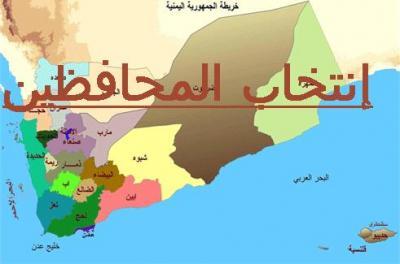
 189 nomination requests for governor elections, among them 6 woman



