Almotamar.net - Chairwoman of the Yemeni Women Union Ramziya al-Eryany said Wednesday," A delegation representing the Yemeni Women Union presented a statement to the parliament expressing resentment over statements made by scholars of Al-Fadhila (Vice & Virtue) Committee on the Yemeni woman political participation and demands for a legal legislation to establish the woman quota in the upcoming parliamentary elections, defined by 15%"
Ms al-Eryany, Secretary General of the Arab Woman Federation and the Chairwoman of the Yemeni Women Union said in a statement to almotamar.net that she had on Tuesday given the Speaker of the parliament Yahya al-Raie a statement in the name of the women in Yemen containing a demand for a parliamentary approval of legislations concerning the woman , depending on the Islamic law and proposals of the Yemeni Women Union concerning constitutional articles pertaining the woman within the framework of the debate carried out by the parliament on the draft constitutional amendments proposed by President Ali Abdullah Saelh. Al-Eryany affirmed that the statement contained the woman's anger towards statements by the Forum of Vice & Virtue.
On the stance of the parliament about the demands Ms al-Eryany said the Speaker displayed big interaction and confirmed that the demands and proposals are keeping pace with directions of the political leadership for supporting and enhancing the Yemeni woman participation in the political life and decision-making positions.
The United Arab Emirates acknowledged on Tuesday that two of its pilots were killed when their military aggression plane crashed over Jawf province, a military official said
The official added that the aggressive crashed plane was an apache that was
Artillery of the army and popular shelled a gathering of Saudi-paid mercenaries in al-Moqadra area in Serwah district of Marib province, a military official said on Tuesday.
Meanwhile, dozens of Saudi-paid mercenaries were killed and others injured in Wadi al-Theek in the district, the official added.
The army and popular forces carried out on Monday unique military operations in Taiz province.
A military official said that a number of Saudi-paid mercenaries were killed at the hands of the army and popular forces in al-Jazami Hill in al-Kadaha area in al-Ma'afer district.
A Saudi aggression fighter jet targeted a citizen's car driving in Fara area of Kutaf district in Saada province overnight, killing the driver and injuring his friend, a security official said on Monday.
The army artillery and popular committees launched a fierce attack on Saudi-paid mercenaries' sites in Jawf province, a military official said on Monday.
The attack destroyed a military vehicle belonging to the mercenaries and killed all on board in Sabran area in khab and shaaf district.
Scores of Saudi enemy soldiers were killed and injured on Sunday when the army and popular forces repelled a Saudi military attempt to sneak into Shurfah site in the border province of Najran, a military official said.
The operation was accomplished successfully against the Saudi
The army and popular committees have killed a total of 18 Saudi-paid mercenaries in sniper operations over the past hours in the central province of Marib, a military official said on Sunday.
Ten mercenaries were killed in Nehm district and eight others were killed in Serwah district, said the official.
Saudi aggression warplanes have launched more than 49 airstrikes over the past hours on several residential areas across Yemen, a security official said on Sunday.
The airstrikes targeted the areas of Malahiz and Husama in Dhahir district, and areas Thuban, Masahif and Sdad in Bakim district of northern Saada province.


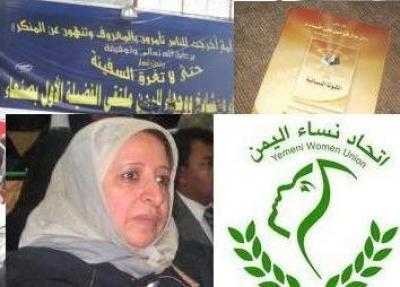
 Al-Eryany demands legal quota for women in elections



