Almotamar.net - Security Higher Committee warned Thursday of acts of chaos and attempts to hinder citizens from practicing their constitutional rights in the process of revising and amending voter records in preparation for the 4th parliamentary elections in Yemen scheduled next April.
The Committee mentioned in its statement that it has followed up some chaotic and outlaw elements holding gatherings and sit-ins in some governorates aimed at hampering citizens from exercising their electoral rights in accordance with the constitution and the law. Some elements, under foment by irresponsible partisan leaderships, prevented citizens from reaching headquarters of electoral committees and attacked headquarters of those committees as well as security committees in a desperate attempt to hider the progress of elections process and delay holding them on time.
The security committee said those irresponsible acts are considered violation of the constitution and election law and constitute crimes punishable by the law, confirming that security authorities are taking legal measures to control those elements, hold them accountable and send them to court.
The committee also held those elements and those behind them responsible for any dangers on life of citizens and their practice of their rights resulting from chaotic acts that may entail dangerous results affecting general order and social peace.
The United Arab Emirates acknowledged on Tuesday that two of its pilots were killed when their military aggression plane crashed over Jawf province, a military official said
The official added that the aggressive crashed plane was an apache that was
Artillery of the army and popular shelled a gathering of Saudi-paid mercenaries in al-Moqadra area in Serwah district of Marib province, a military official said on Tuesday.
Meanwhile, dozens of Saudi-paid mercenaries were killed and others injured in Wadi al-Theek in the district, the official added.
The army and popular forces carried out on Monday unique military operations in Taiz province.
A military official said that a number of Saudi-paid mercenaries were killed at the hands of the army and popular forces in al-Jazami Hill in al-Kadaha area in al-Ma'afer district.
A Saudi aggression fighter jet targeted a citizen's car driving in Fara area of Kutaf district in Saada province overnight, killing the driver and injuring his friend, a security official said on Monday.
The army artillery and popular committees launched a fierce attack on Saudi-paid mercenaries' sites in Jawf province, a military official said on Monday.
The attack destroyed a military vehicle belonging to the mercenaries and killed all on board in Sabran area in khab and shaaf district.
Scores of Saudi enemy soldiers were killed and injured on Sunday when the army and popular forces repelled a Saudi military attempt to sneak into Shurfah site in the border province of Najran, a military official said.
The operation was accomplished successfully against the Saudi
The army and popular committees have killed a total of 18 Saudi-paid mercenaries in sniper operations over the past hours in the central province of Marib, a military official said on Sunday.
Ten mercenaries were killed in Nehm district and eight others were killed in Serwah district, said the official.
Saudi aggression warplanes have launched more than 49 airstrikes over the past hours on several residential areas across Yemen, a security official said on Sunday.
The airstrikes targeted the areas of Malahiz and Husama in Dhahir district, and areas Thuban, Masahif and Sdad in Bakim district of northern Saada province.


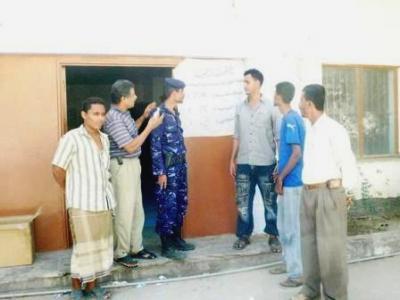
 Hampering election committees a punishable crime



