Almotamar.net - Yemen’s foreign Minister Abu Bakr al-Qirbi has told the parliament on Wednesday that not moving 98 Yemeni detainees out of Guantanamo by the United States of America was attributed to Yemen’s refusal of the American conditions, which, if they were accepted, he said the government would have faced questioning by the MPs.
In his reply to a question by an MP from Islah bloc in the parliament the Minister said the government gives Yemeni prisoners outside al the attention. And concerning the Yemeni detainees in Iraq, he said there is communication with the Iraqi government to release them, pointing out that the security agreement between America and Iraq contributed to complicate the pending security issues.
On the Yemeni prisoners Amin al-Bakri and Fadi al-Maqalih imprisoned by American forces in Bagram base in Afghanistan, al-Qirbi clarified that Yemen has communicated via its embassies in Washington and Islam Abad and also via the American embassy in Sana’a and representatives of the Red Cross in order to visit them by one of Yemeni diplomats in Pakistan but without receiving a reply from the Americans and their embassy in Sana’a reported that the prisoners health is good.
The United Arab Emirates acknowledged on Tuesday that two of its pilots were killed when their military aggression plane crashed over Jawf province, a military official said
The official added that the aggressive crashed plane was an apache that was
Artillery of the army and popular shelled a gathering of Saudi-paid mercenaries in al-Moqadra area in Serwah district of Marib province, a military official said on Tuesday.
Meanwhile, dozens of Saudi-paid mercenaries were killed and others injured in Wadi al-Theek in the district, the official added.
The army and popular forces carried out on Monday unique military operations in Taiz province.
A military official said that a number of Saudi-paid mercenaries were killed at the hands of the army and popular forces in al-Jazami Hill in al-Kadaha area in al-Ma'afer district.
A Saudi aggression fighter jet targeted a citizen's car driving in Fara area of Kutaf district in Saada province overnight, killing the driver and injuring his friend, a security official said on Monday.
The army artillery and popular committees launched a fierce attack on Saudi-paid mercenaries' sites in Jawf province, a military official said on Monday.
The attack destroyed a military vehicle belonging to the mercenaries and killed all on board in Sabran area in khab and shaaf district.
Scores of Saudi enemy soldiers were killed and injured on Sunday when the army and popular forces repelled a Saudi military attempt to sneak into Shurfah site in the border province of Najran, a military official said.
The operation was accomplished successfully against the Saudi
The army and popular committees have killed a total of 18 Saudi-paid mercenaries in sniper operations over the past hours in the central province of Marib, a military official said on Sunday.
Ten mercenaries were killed in Nehm district and eight others were killed in Serwah district, said the official.
Saudi aggression warplanes have launched more than 49 airstrikes over the past hours on several residential areas across Yemen, a security official said on Sunday.
The airstrikes targeted the areas of Malahiz and Husama in Dhahir district, and areas Thuban, Masahif and Sdad in Bakim district of northern Saada province.


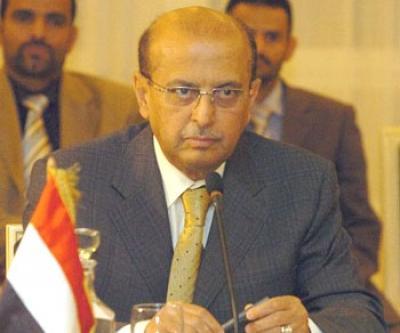
 Delay in releasing Yemenis in Guantanamo due to our refusal of US conditions: al-Qirb



