Almotamar.net - Director General of Education Bureau in Saada governorate Mohammed al-Shamiri described the acts of terror against schools, teachers and students in some areas of Saada governorate perpetrated by the elements of sabotage and insurgency as outrageous acts unacceptable by religion and refused by all people.
In a statement to 26september.net on Wednesday al-Shamiri clarified that those elements have in the past period seized many schools in the areas under their control and demolished them after plundering their contents and furniture and offices. They had expelled students and changed them into camps for destruction and aggression on army and security men as well as the citizens. They used them for destroying thoughts the youth through holding gatherings instigating against the state and the republican system.
The sabotage elements have tried to force some teachers to teach certain subjects and force the students to attend those lectures. The students who refused that the elements would threaten their families and relatives and expelling them from their houses and areas to other areas under pretext of being unwanted citizens.
Al-Shamiri also confirmed that those elements control about 63 schools in Haidan area and other schools in other areas of Katif, Al-Baqa, Safin and Al-Safraa in addition to kidnapping a number of teachers. Al-Shamiri added that the saboteurs caused the stop of building of most school building projects.
The United Arab Emirates acknowledged on Tuesday that two of its pilots were killed when their military aggression plane crashed over Jawf province, a military official said
The official added that the aggressive crashed plane was an apache that was
Artillery of the army and popular shelled a gathering of Saudi-paid mercenaries in al-Moqadra area in Serwah district of Marib province, a military official said on Tuesday.
Meanwhile, dozens of Saudi-paid mercenaries were killed and others injured in Wadi al-Theek in the district, the official added.
The army and popular forces carried out on Monday unique military operations in Taiz province.
A military official said that a number of Saudi-paid mercenaries were killed at the hands of the army and popular forces in al-Jazami Hill in al-Kadaha area in al-Ma'afer district.
A Saudi aggression fighter jet targeted a citizen's car driving in Fara area of Kutaf district in Saada province overnight, killing the driver and injuring his friend, a security official said on Monday.
The army artillery and popular committees launched a fierce attack on Saudi-paid mercenaries' sites in Jawf province, a military official said on Monday.
The attack destroyed a military vehicle belonging to the mercenaries and killed all on board in Sabran area in khab and shaaf district.
Scores of Saudi enemy soldiers were killed and injured on Sunday when the army and popular forces repelled a Saudi military attempt to sneak into Shurfah site in the border province of Najran, a military official said.
The operation was accomplished successfully against the Saudi
The army and popular committees have killed a total of 18 Saudi-paid mercenaries in sniper operations over the past hours in the central province of Marib, a military official said on Sunday.
Ten mercenaries were killed in Nehm district and eight others were killed in Serwah district, said the official.
Saudi aggression warplanes have launched more than 49 airstrikes over the past hours on several residential areas across Yemen, a security official said on Sunday.
The airstrikes targeted the areas of Malahiz and Husama in Dhahir district, and areas Thuban, Masahif and Sdad in Bakim district of northern Saada province.


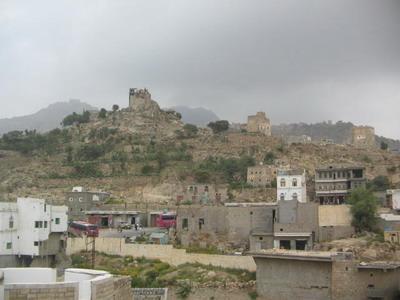
 The Houthis control 63 schools using them in sabotage



