Almotamar.net - The Assistant Secretary General of the General People’s Congress (GPC) in Yemen Dr Ahmed Ubeid Bin Daghr has said the Yemeni unity is he greatest revolution in Yemen’s contemporary history and must be preserved and handed over to the next generations however the forces of evil and aggression have attempted to undermine its republican regime in the north, its unity in the south and its national values in general.
In an editorial for the Al-Mithaq newspaper in its Monday issue, Dr Bin Daghr affirms the revolutionaries of October had never hesitated, after the triumph of the revolution over the colonialists and getting independence, from giving the state its Yemeni characteristic and identity and the 30 November was the first brick in the building of the Yemeni state. Without that great triumph of the Yemeni national movement, there would not have been possible to live in a unified Yemeni state.
Dr Bin Daghr has made it clear that loyalty to the martyr and heroes who made September, October, November and May events depends on “our ability to encounter the difficulties and challenges singled out by the movement of reality and time has thrown in front of us.
The United Arab Emirates acknowledged on Tuesday that two of its pilots were killed when their military aggression plane crashed over Jawf province, a military official said
The official added that the aggressive crashed plane was an apache that was
Artillery of the army and popular shelled a gathering of Saudi-paid mercenaries in al-Moqadra area in Serwah district of Marib province, a military official said on Tuesday.
Meanwhile, dozens of Saudi-paid mercenaries were killed and others injured in Wadi al-Theek in the district, the official added.
The army and popular forces carried out on Monday unique military operations in Taiz province.
A military official said that a number of Saudi-paid mercenaries were killed at the hands of the army and popular forces in al-Jazami Hill in al-Kadaha area in al-Ma'afer district.
A Saudi aggression fighter jet targeted a citizen's car driving in Fara area of Kutaf district in Saada province overnight, killing the driver and injuring his friend, a security official said on Monday.
The army artillery and popular committees launched a fierce attack on Saudi-paid mercenaries' sites in Jawf province, a military official said on Monday.
The attack destroyed a military vehicle belonging to the mercenaries and killed all on board in Sabran area in khab and shaaf district.
Scores of Saudi enemy soldiers were killed and injured on Sunday when the army and popular forces repelled a Saudi military attempt to sneak into Shurfah site in the border province of Najran, a military official said.
The operation was accomplished successfully against the Saudi
The army and popular committees have killed a total of 18 Saudi-paid mercenaries in sniper operations over the past hours in the central province of Marib, a military official said on Sunday.
Ten mercenaries were killed in Nehm district and eight others were killed in Serwah district, said the official.
Saudi aggression warplanes have launched more than 49 airstrikes over the past hours on several residential areas across Yemen, a security official said on Sunday.
The airstrikes targeted the areas of Malahiz and Husama in Dhahir district, and areas Thuban, Masahif and Sdad in Bakim district of northern Saada province.


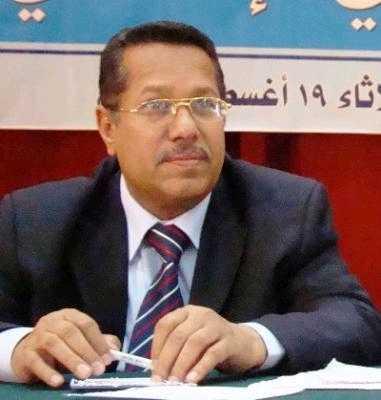
 The unity is the greatest revolution in Yemen’s contemporary history- Bin Daghr



