 Almotamar.net google news
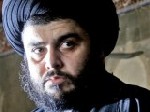
 - Preeminent Iraqi Shi'ite cleric Moqtada al-Sadr told his six ministers to quit the government over the refusal by Prime Minister Nuri al-Maliki to set up a clear timetable for the withdrawal of U.S. troops. Maliki is also a Shi'ite and has ascended to his current position with the help of Sadr's followers, which make up about a quarter of the ruling Shi'ite Alliance, parliament's largest bloc.
Al-Sadr's followers hold six positions in the 37-member Cabinet, and 30 seats in the 275-member parliament.
"Considering the public interest, we found that it was necessary to issue an order to the ministers of the Sadr bloc to immediately withdraw from the Iraqi government," Sadr parliamentary bloc leader Nassar Rubaie said, reading a statement from Mr Sadr at a news conference in Baghdad.
"The six ministries shall be handed over to the government itself, hoping that this government would give these responsibilities to independent bodies who wish to serve the interests of the people and the country," the statement said. "The prime minister has to express the will of the Iraqi people. They went out in a demonstration in their millions asking for a timetable for withdrawal."
Most analysts think Sadr's move is a result of apparent marginalization of his group in decision-making within the current government led by Maliki. Sadr is also a known enemy of the U.S. presence in Iraq. He is believed to have led two uprisings against the U.S. forces in 2004, and an arrest warrant was issued in his name, but never carried out. Sadr, in his early 30s, is currently in the hiding, maybe even in Iran.
He is the youngest son of Muhammad Sadiq Sadr, a senior Shia cleric assassinated in 1999, reportedly by agents of the Iraqi government [of Saddam Hussein]. Sadr derives his power from that of his father and the rest of his preeminent family.
"Sadr is coming under pressure because of his tacit support of the security plan ... So he has to restore internal discipline, which he does by withdrawing from the political process and going back to the street," said Joost Hiltermann of the International Crisis Group think tank to Reuters.
Consequently, dozens of Iraqi policemen demonstrated in front of their station, accusing U.S. troops of treating them like "animals" and "slaves," AP reports. The U.S. military says coalition forces killed three Iraqi policemen and wounded another in a case of "friendly fire" during a raid Monday against suspected al-Qaida militants in the insurgent stronghold of Ramadi.

 Shi'ite Cleric's Followers to Quit Iraqi Govt over US Troops